
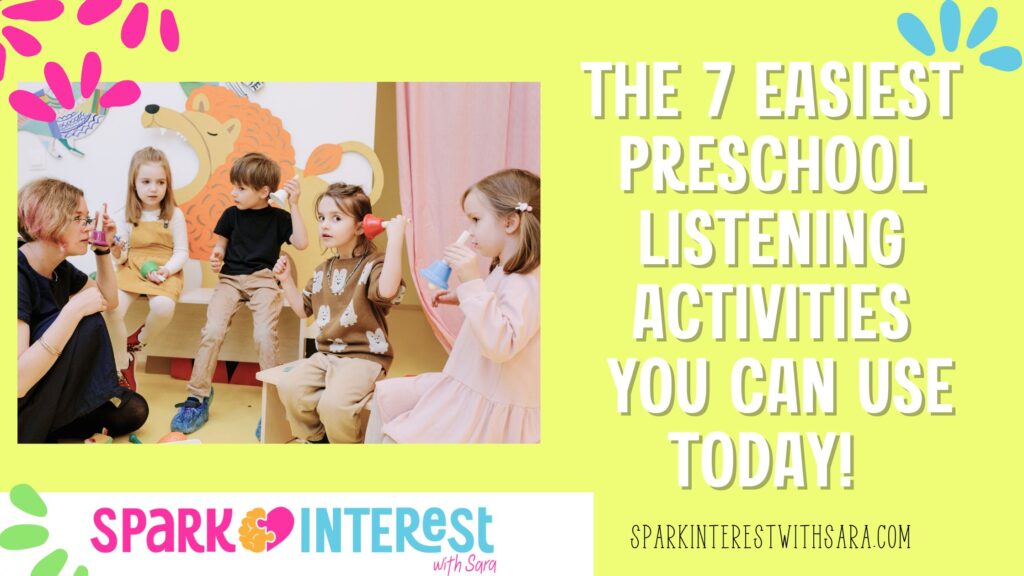
Let’s be real, when we ask preschoolers to “listen,” what are we actually asking them to do?
Are we saying:
👂 Can you hear my voice over all the noise?
👀 Can you look at me while I’m talking?
🧠 Can you block out everything else and focus?
💬 Can you understand what I’m saying and what I mean?
Listening in early childhood isn’t just about ears. It’s about attention, understanding, and responding. And for our little learners, that’s a big ask.
We expect preschoolers to follow directions, tune in to group time, and connect with their peers. But those listening skills? They don’t just show up out of nowhere. They’re built, step by step, through practice.
That’s why I’m sharing four of the easiest preschool listening activities I keep coming back to. No fancy prep. Just simple, engaging ways to help your kiddos become confident, capable listeners.
How to develop listening skills?
Let’s be honest, developing listening skills in preschoolers can be tricky.
We want our little learners to:
- follow instructions,
- listen to their peers,
- stay engaged during story time,
- and actually process what they hear…
But just like learning to hold a pencil or share a toy, listening is a skill and it needs to be taught intentionally and practiced often.
Here’s what you need to know to support your students’ listening growth, plus some fun activities to help make it stick.
What Is Whole-Body Listening (a.k.a. Active Listening)?or active listening?
You’ve probably heard the term whole-body listening or active listening before; but what does it really mean?
It’s a visual and verbal tool to help young children understand what their whole body might be doing when they’re listening. Not just their ears.
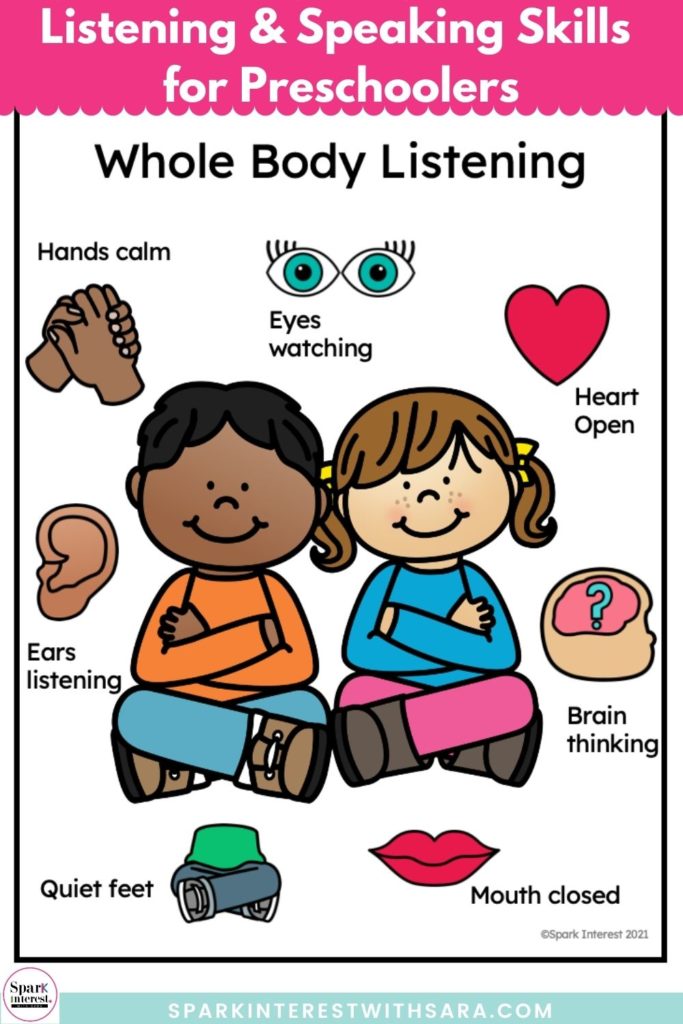
Some of the typical cues include:
- 👀 Eyes are looking
- 🤫 Mouth is quiet
- 🧠 Brain is thinking
- 🙌 Hands are to myself
This body language can help children show they’re engaged, block out distractions, and build better understanding and connection with others.
But here’s the thing—this isn’t a checklist or a one-size-fits-all rule.
Some children, especially our neurodivergent learners (those with ADHD, autism, sensory sensitivities, or anxiety), may not be able to meet all of these expectations—and that doesn’t mean they aren’t listening.
🧠 A child might be listening best while fidgeting.
👀 Another may need to look away to process what’s being said.
🗣️ Some might hum or whisper as a form of self-regulation.
So I always say: whole-body listening is a tool, not a rule. Use it gently and flexibly. The goal is to help children understand how their body supports their listening—not to police their posture.
The most powerful way to support listening?
Build trust. Offer choice. And notice how each child uniquely shows they’re engaged.
What is active speaking?
Just like listening, active speaking is a skill our preschoolers are learning. Often this is for the first time.
In many ways, this is their first experience with having their speech guided and their turn-taking gently coached. It can be a big shift, especially for kiddos who are still developing self-regulation, expressive language, or social awareness.
Some of the key elements of active speaking in early childhood include:
- 💭 Thinking before speaking
- 🔈 Using different voice levels (e.g. whisper vs. group voice)
- 🔁 Taking turns when speaking
These aren’t always easy for young children to master, especially those who are neurodivergent or have language processing delays. Some children may interrupt often, use a loud tone without realizing, or struggle to wait for their turn—and that’s developmentally normal. We meet them where they are.
The good news? Active speaking and whole-body listening go hand in hand.
You can teach both together, in a way that feels playful and low-pressure.
I love starting with:
- 👯♀️ Partner or small group work for low-stakes practice
- 👩🏫 Visuals or posters near your group time space as gentle reminders
- 🧸 Role play or puppets to model what thoughtful speaking and listening look like
The goal isn’t perfection. It’s building communication skills over time, with lots of modeling, encouragement, and grace.
Bonus Resource for You
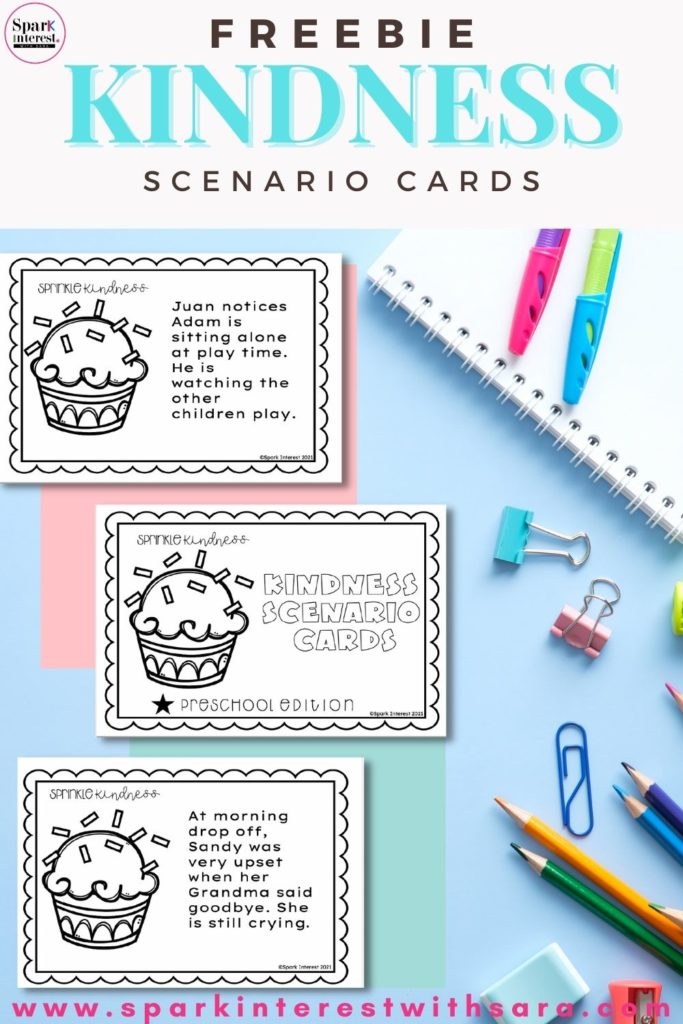
Before I share some of my go-to preschool listening activities, I want to make sure you’ve grabbed my free Kindness Scenario printable.
It’s a beautiful resource to weave into your social-emotional or kindness curriculum, and it pairs perfectly with these listening and speaking strategies.
Preschool listening activities
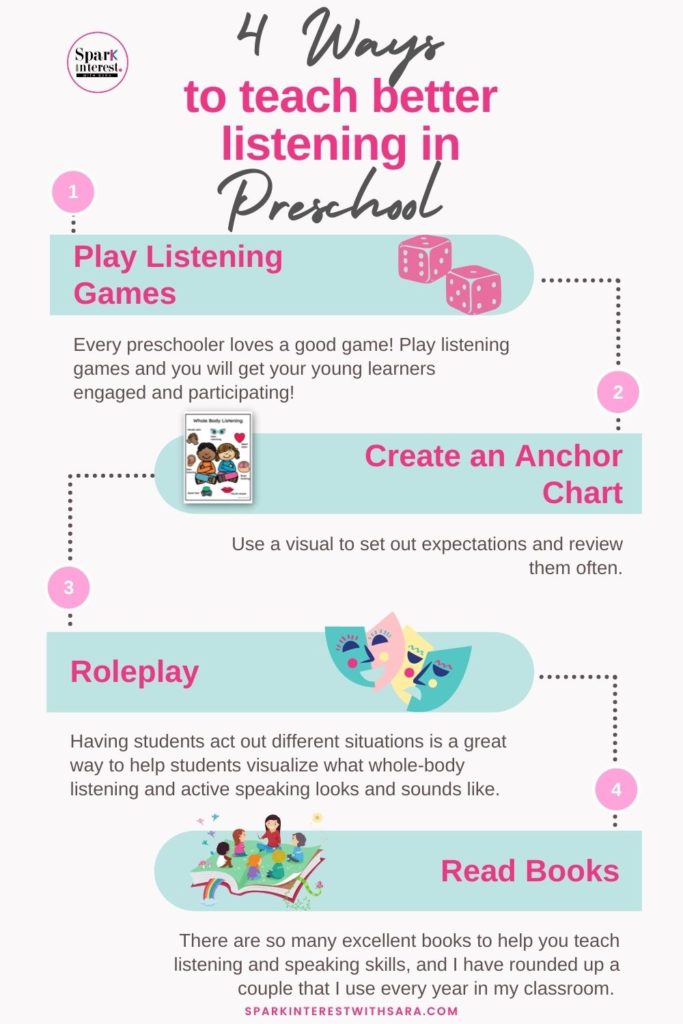
The 4 main ways I use to encourage better listening in my classroom are:
1. 🎲 Play Listening Games for Preschoolers
Every preschooler loves a good game! Play a game related to the skill you want to teach and you will get your young learners engaged and participating!
These classic games are simple to set up, easy to explain, and super effective. Over the years, I’ve seen even the most distracted students become more focused and responsive with regular practice.
👍 Thumbs up or thumbs down
Great for listening comprehension and decision-making. Say a statement (e.g. “I have brown hair” or “Dogs can fly”), and students respond with thumbs up if it’s true or thumbs down if it’s false.
📖 Pass the Story
A beautiful mix of listening, speaking, and early literacy. You begin a simple story, and each child adds a sentence. They have to listen closely to what came before to keep the story flowing.
👂 Simon Says
An oldie but a goodie! One child or teacher gives directions—but only if “Simon says.” It’s perfect for practicing focus, impulse control, and auditory memory.
🟢 Green Light, 🔴 RED Light
When “green light” is called, students move forward. When “red light” is called, they freeze! Great for quick responses and active listening—though it can get loud (which only adds to the fun).
😆 Funny Whispers
Sit in a circle and pass a silly message from one child to the next in a whisper. The final version is usually hilarious—and it helps children practice clear speech and focused listening.
🎨 Listen & Draw / Listen & Color
One student gives directions based on a hidden image while the other follows along without peeking. Then, compare the final result! Directed draws are another great option here (YouTube has so many to choose from).
💡 Teacher tip: These games are not only engaging, they also reveal which students might need more support with following verbal instructions or processing information.
2. Use Anchor Charts & Visual Reminders
One of my favourite tools for reinforcing listening and speaking skills?
Anchor charts and posters.
Having a visual reminder in the classroom gives kids something concrete to refer to—especially during group times, transitions, or moments when focus is slipping. I’ve found that even just pointing to the chart helps students reset without needing a whole lesson.
📌 Use visuals to show:
- What whole-body listening looks like
- What active speaking sounds like
- How to take turns in conversation
- Voice levels for different spaces (e.g. quiet voice, group voice, outdoor voice)
- I love creating anchor charts with my students so they have ownership over the ideas. You can also use ready-made posters and display them in your group area for easy reference all year long.
👀 Pro tip: Visual supports aren’t just helpful for preschoolers—they’re essential for our neurodiverse learners who may benefit from seeing information rather than just hearing it.
I have a set of listening and speaking visuals in my shop if you’re looking for something ready to print and go. They’re simple, clear, and designed with preschoolers in mind.
🛒 Check out my Listening & Speaking Posters here

3. 🎭 Try Roleplay & Dramatic Play
When it comes to teaching whole-body listening and active speaking, sometimes the best way to help preschoolers understand it… is to act it out.
Roleplay activities make abstract concepts more concrete. They help children see (and feel) what good communication looks and sounds like—and they get to learn through play, which is a win for everyone.
One of my favorite activities to model listening and speaking is “Fun with Sentences.”
Here’s how it works:
- Say a simple sentence like “It’s time to clean up.”
- Repeat the sentence using different tones of voice. For example: angry, excited, sad, silly, whispery, etc.
- Ask students to guess what emotion or feeling you’re expressing.
They’ll be giggling in no time—but they’ll also start noticing how tone, expression, and body language impact how a message is received. It’s a beautiful way to build emotional awareness right alongside listening and speaking skills.
💡 Teacher tip: Over-exaggerate your voice and facial expressions. Kids love it, and it helps them catch on even faster!
You can also:
- Act out what good vs. not-so-great listening looks like
- Take turns practicing turn-taking conversations with puppets
- Use real-life classroom situations as roleplay scenarios (e.g., asking for a toy, asking for help)
These preschool roleplay activities aren’t just fun—they’re powerful for building confidence, empathy, and connection.
4. 📚 Read Books That Teach Listening Skills
Books are some of the best teachers we have—especially when it comes to modeling listening and speaking.
There are so many wonderful read-alouds that teach preschool listening skills in fun, engaging ways. Whether you’re focusing on turn-taking, self-regulation, or understanding others, stories provide the perfect springboard for conversation.
I’ve rounded up a few of my go-to titles that I read every single year:very year in my classroom.
Quiet Please, Owen McPhee! – Patrice Barton
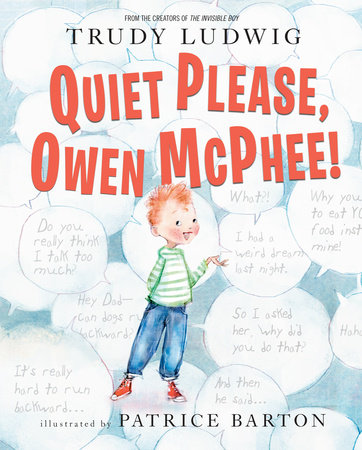
Owen McPhee LOVES talking. He spends every minute of his day talking to his teachers, classmates, parents, dog, and even himself. But he is not the best at listening. One day he gets laryngitis and realizes he may need to listen more! She is also the writer of The Invisible Boy, a fantastic book that helps teach empathy.
Wordy Birdy- Tammi Sauer and Dave Mottram
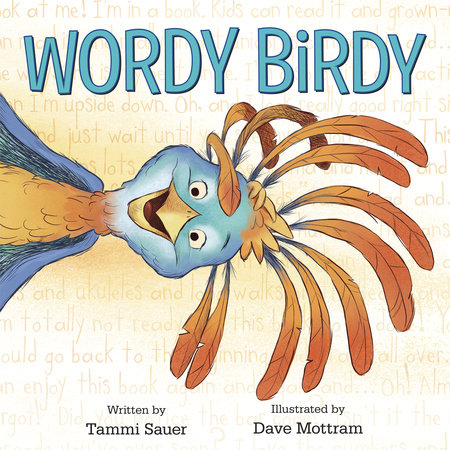
Wordy Birdy is a talker.The last thing she enjoys is listening. But, her talking quickly gets her into danger, and this inattentive bird may walk into trouble, and her thoughts may lead her to doom. Only her friends Squirrel, Raccoon, and Rabbit can save their distracted friend.
The Rabbit Listened- Cori Doerrfeld
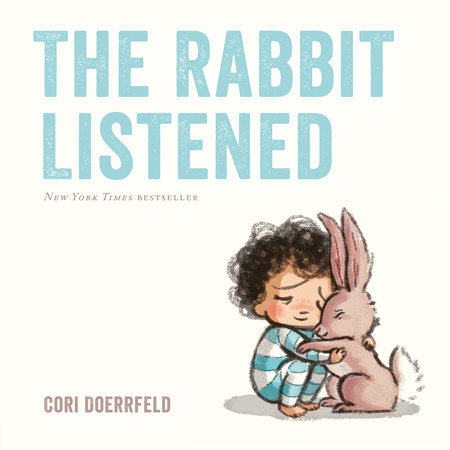
When something sad happens, Taylor doesn’t know where to turn. She turns to her animals, and they all have different ways to help her feel better. The chicken wants to talk it out, and the bear thinks Taylor should get angry. All the animals try to tell Taylor how to act, and one by one, they fail to offer comfort. Then the rabbit arrives. All the rabbit does is listen, and that is what she needs.
My Mouth Is Volcano- Julia Cook
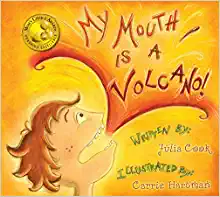
Sometimes kids can not control their voice, and Louis interrupts constantly! He has to share his thoughts, but he doesn’t realize how sometimes you need to take turns. When friends start to interrupt Louis, he learns to be more respectful with his voice.
Howard B. Wigglebottom- Howard Binkow
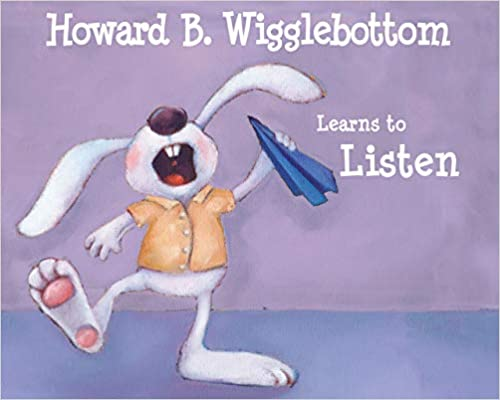
A book where a bunny helps kids learn how to be a better listener, pay attention, and how this means more than doing what they are told. A bunny helps millions of children learn listening skills.
🧠 Pro tip: Pause during the story to ask questions like, “What should the character do next?” or “Was that a kind way to speak?” It gets kids thinking—and practicing their listening in the moment.
Books help children build language, comprehension, emotional intelligence, and communication skills—all while feeling safe, connected, and curious.
And Here Are 4 More Listening Activities Worth Adding to Your Routine:
5. 🎶 Sing & Repeat Songs
Repetitive songs with echo phrases or call-and-response patterns are perfect for practicing auditory memory and focused listening.
Try classroom favorites like:
- “Going on a Bear Hunt”
- “Who Stole the Cookie from the Cookie Jar?”
- “The Green Grass Grows All Around”
These types of songs help children listen, recall, and respond—all wrapped up in rhythm and fun.
🧠 Bonus: This is especially helpful for English language learners and students developing expressive language.
6. 🕵🏻♂️ Listening Scavenger Hunt
Take your students on a sound walk (inside or out) and challenge them to notice and identify the sounds around them.
You might say:
- “Let’s be very quiet for 30 seconds. What sounds can you hear?”
- “Raise your hand when you hear a bird.”
- “Listen for something crunchy, loud, or soft.”
For an extra layer of engagement, check out my printable Outdoor Mindfulness Scavenger Hunt. It’s a great way to combine listening practice with mindfulness and sensory awareness!
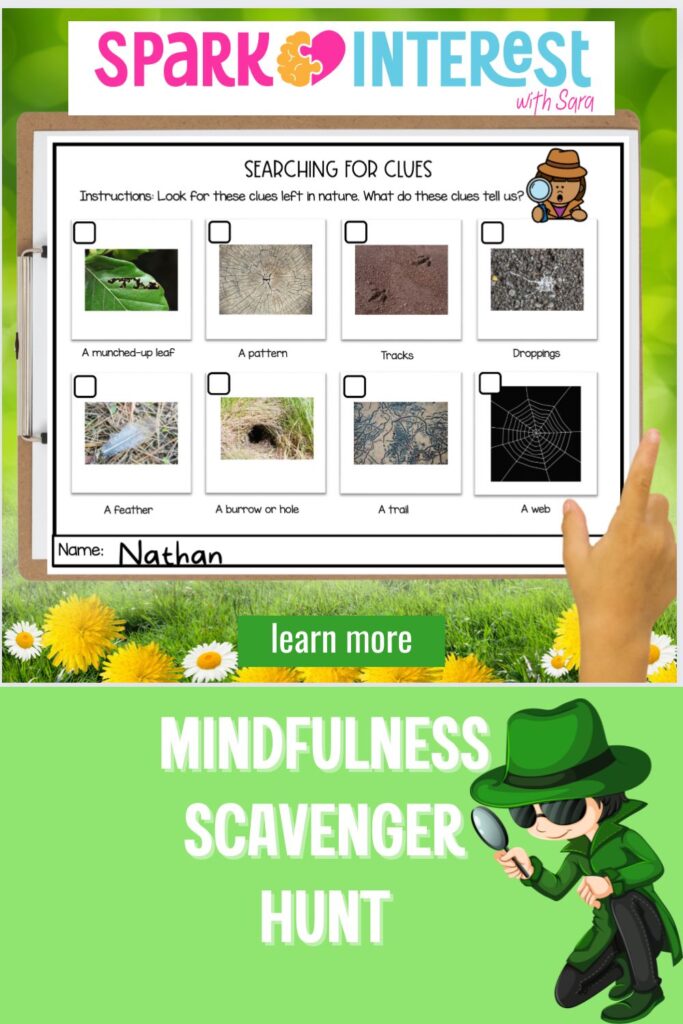
7. 🧘🏼♀️ Mindful Listening Moments
Sometimes the most powerful listening practice doesn’t involve any speaking at all.
Mindful listening invites children to slow down and really tune in to the world around them—and it’s a wonderful way to support focus, regulation, and body awareness.
Try simple exercises like:
- Ringing a chime and asking students to raise their hand when the sound fades
- Playing a short nature sound clip (rain, birds, ocean) and asking, “What do you hear?”
- Sitting quietly with eyes closed and noticing three sounds, near or far
These calm, focused moments help students develop present-moment awareness, which is a foundational skill for listening—especially for kids who struggle with attention or sensory processing.
🌿 These types of activities are also great for transitions, after recess, or before story time.
If you’re looking to bring more mindfulness into your classroom, check out my Mindful Exercises for Kids resource.
These mindful moments aren’t just fun—they help your students connect with themselves and the world around them in meaningful ways.
How to develop listening skills in students
These preschool listening activities are simple, engaging, and incredibly effective for building both whole-body listening and active speaking skills.
As every preschool teacher knows, listening doesn’t come easily to all students—and that’s okay. Some kids pick it up quickly, while others need patience, practice, and play to get there. The good news? You’ve now got a toolkit full of ideas to support them at every stage.
So give a few of these activities a try, and see what clicks with your group. Then come back and tell me how it went! I’d truly love to hear what worked for your little learners (and maybe even what didn’t. We’re all just learning together).
🖥️ Fun Online Preschool Listening Activities:
Need a quick, no-prep way to boost listening skills? These online preschool listening games are perfect for brain breaks, movement time, or indoor play—and they’re all designed to help little learners tune in and respond.
Here are a few of my favourite go-to videos:
1. 🎧 Guess the Sound Game : Kids listen closely to everyday sounds and try to guess what they hear. Great for developing auditory discrimination and attention!
2. 🎶 Following Directions Song -A fun and upbeat song that encourages kids to listen and move. It’s perfect for getting the wiggles out while practicing verbal direction-following.
3. 🕺🏻The Freeze Game -A classic movement game where children dance and freeze when the music stops—fantastic for self-regulation and impulse control.
📺 Tip: Preview videos before playing, pause when needed to clarify directions, and have fun joining in too—your energy helps set the tone!
Looking to bring more heart-centered teaching into your preschool classroom? Check out these blog posts below:
The 4 Main Reasons Why Teamwork Activities for Preschool are so Important
13 Brilliant Books to Help Teach & Develop Empathy in Your Classroom
11 Books on Friendship for Preschool Children You’ll Absolutely Love
✨ This post was updated on 11 June 2025 to include even more helpful listening activities and resources for your preschool classroom.

