

How are your preschoolers going with self-regulation right now?
Yep, I hear you. It’s a huge skill for our little learners and the truth is, most of them are only just starting to figure it out. One minute they’re calm and happy, the next they’re a puddle of big feelings on the mat (sometimes over a blue cup instead of the red one 💙❤️).
If you’re reading this, chances are you’re noticing that some of your preschoolers could use a little extra support navigating those tricky emotions. And you’re wondering how to teach it in a way that actually lands.
Well, friend you’re in the right place. 📚
In this post, I’m sharing 16 awesome picture books to help teach self-regulation that are perfect for helping young learners explore emotions and build self-regulation skills in a way that’s engaging, relatable, and developmentally appropriate. Because we know that stories have a special kind of magic. They spark conversation, build empathy, and help students make sense of their world.
So let’s dive into some bookish goodness that will not only support your SEL goals but also make storytime even more meaningful.
Before we dive into my favourite picture books for teaching self-regulation, I wanted to share a helpful freebie with you!
My Conflict Resolution Booklet is a great resource to reinforce problem-solving skills with your students. It helps young learners explore simple, age-appropriate strategies they can use to work through everyday conflicts—whether it’s a disagreement over toys, turn-taking, or what happened on the playground. You can grab your free copy here!

What Is Self-Regulation?
Self-regulation is one of those big life skills we start teaching in the early years and it’s a game changer. When children are developing self-regulation, they’re learning how to understand and manage their own thoughts, feelings, and behaviours. That means instead of reacting automatically to whatever’s happening around them, they’re learning to pause, process, and choose a response that works for the situation.
In the classroom, we’re helping our preschoolers:
- 🌿 Calm themselves down when they’re overwhelmed or upset
- ✋ Manage impulses (like grabbing, shouting, or running off mid-activity)
- 🎯 Focus on a task—or refocus when they get distracted
- 💥 Navigate big emotions like frustration, excitement, or anger in healthy ways
It can be a big ask for our young learners; but the good news is, these skills can absolutely be taught. And one of the most powerful ways to do that? Through stories, connection, and simple mindfulness practices woven into your daily routine.
Why Teaching Self-Regulation Matters
Self-regulation is a core skill that supports everything from learning to friendships to emotional wellbeing. And the earlier we start teaching it, the better. In early childhood, our young learners are just beginning to make sense of their emotions and behaviours—and they need our help to practice, model, and explore what it all means.
As preschool teachers, we’re in the perfect position to gently guide this growth. And one of the most effective (and heart-centered) ways to do that? Books.
Picture books give us a safe, engaging way to:
- Model self-regulation in action
- Start meaningful conversations about emotions and choices
- Help students reflect on their own experiences

16 Books To Help Teach Self-Regulation In Early Childhood
The 16 books I’m about to share are some of my absolute favourites for doing just that—and more. They’re powerful tools to help you support your students as they grow into emotionally aware, confident, and compassionate little humans.
- Positive Ninja: A Children’s Book About Mindfulness and Managing Negative Emotions and Feelings By Mary Nhin

This is a great new series named Ninja Life Hacks and was developed to help teach kids (and adults) valuable life skills using fun characters!
In this book, full of mindfulness and optimism, a negative ninja turns positive using a simple strategy. A great book full of lessons with a little bit of humor!
- Spark by Kellie George

Spark by Kallie George is an adorable tale of a little dragon learning a big lesson—how to manage his fiery breath! From the moment he’s born, Spark struggles to control his flames, leading to some very relatable (and funny!) challenges.
This sweet story goes beyond self-control—it gently explores patience, perseverance, and the power of practice. Along the way, Spark learns to take deep breaths and experiments with using his fire more mindfully—like toasting marshmallows just right and drying dishes without turning them to ash.
It’s a beautiful reminder for young learners that growth takes time, and that with care and effort, we can learn to manage our impulses.
3. Buckle Up by Stefanie Potts

Buckle Up by Stephanie Scott takes young readers on a playful road trip adventure alongside a feathered co-pilot named Nini. It’s packed with uplifting messages and clever metaphors that help little ones understand how to stay steady through life’s ups and downs—think: “stay calm and stay aware, even when things get bumpy.”
What makes this book such a standout is the way it gently weaves in practical self-regulation strategies throughout the story. From deep breathing and using a checklist, to staying present, making a plan, and using positive self-talk—it’s all there. It even highlights the importance of knowing when to take a break. This one is a gem for sparking conversations and empowering your preschoolers with real tools they can use.
- A Little SPOT of Feelings 8 Book Box Set By Diane Alber
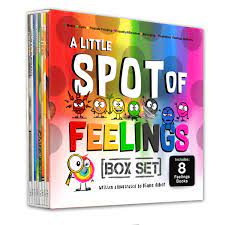
This box set builds off the A Little SPOT of Emotions Box Set and gives support to teachers and parents to help them explain more complex feelings like empathy, frustration, calm, belonging, worry, boredom, and flexible thinking. Each book uses a fun feelings detective to discuss each emotion. This box set is a dream tool for the classroom and can help develop essential social and emotional skills through understanding feelings—a great addition to any self-regulation lesson.
- Everyone Feels Angry Sometimes By Daniela Owen

Part of another great series, including sadness and anxiety. Kids learn emotion management skills and learn how to navigate their expressions of feelings.
This specific book discusses how anger can erupt like lava. Everyone Feels Angry Sometimes teaches mindfulness for kids and how to prevent a little spot of anger or a little spot of frustration from growing into a full-blown tantrum. It also teaches the four levels of anger and teaches regulation skills for kids. So they can take action to avoid reaching their breaking point!
- How to Be a Superhero Called Self-Control! By Lauren Brukner and Apsley

Self-control is a superhero who teaches young children all about self-control! Anxiety, frustration, anger, and other emotions don’t stand a chance when students learn about self-control! This book teaches kids about self-massage, deep pressure, breathing exercises, and mindfulness activities like finding a peaceful place. It also includes a lot of teaching tools in the appendix!
- B is for Breathe: The ABCs of Coping with Fussy & Frustrating Feelings By Melissa Munro Boyd

This book covers the letters A-Z and celebrates how children can express their feelings. It also shows the development of coping skills in a simple way even our youngest learners will understand. It discusses feelings, positive behaviors, and different calm-down strategies.
- Find Your Calm: A Mindful Approach To Relieve Anxiety And Grow Your Bravery By Gabi Garcia

Part of the Growing Hearts & Minds picture book series, Find Your Calm is a great book and teaches children how to tap into their sense of safety when their anxiety sends a false alarm. They learn what to do next, and the book shows ways to help them find their calm.
It includes simple grounding activities and coping tools for them to practice.
- My Body Sends a Signal: Helping Kids Recognize Emotions and Express Feelings By Natalia Maguire

This book gives you the resources you need to use clear words, familiar situations, exciting pictures, and hands-on activities. Giving you plenty of ways to help your students learn about emotions and how to regulate them effectively. It also has instructions for teachers and follow-up activities, emotion/feelings cards, color pages, and even information about some short stories to help teach empathy.
- Santiago’s Sadness: Making Room for All Emotions By Gabi Garcia

Another great book in the Growing Hearts & Minds series! Ever since his family moved, Santiago had been sad. He didn’t want to play, smile, or anything. But Santiago soon makes a new friend and begins to understand that making room for all of his feelings is a way of being kind to himself. Children will learn coping skills, and the book includes self-regulation activities that reinforce the story’s message.
- I Can Do That: A Book on Self-Regulation By Kayla J.W. Marnach

Part of the Can-Do series, I Can Do That! It helps children learn self-regulation skills and techniques. The book is extraordinary because it’s told through rhyme and the child’s point of view. The strategies shared to empower the child to learn and practice ways to control their emotions and actions. It also includes discussion questions at the end of the book to help children learn more about self-regulating behavior.
- Even Superheroes Have Bad Days (Superheroes Are Just Like Us) By Shelly Becker

Kids have trouble getting a grip on their emotions, and even young superheroes struggle! This book contains colorful, action-packed illustrations and a rhyming text showing many ways superheroes and children can control their desire to be sad, mad, frustrated, lonely, or afraid.
- I Really Want the Cake by Simon Philip

I Really Want the Cake by Simon Philip is an absolute delight—and the illustrations are just as irresistible as the story itself (I’m such a fan of his work!).
This playful book follows a determined little girl who’s doing her best to resist the ultimate temptation: a delicious cake baked by her mum. The internal struggle is real—and hilarious—as she battles her impulses and tries to make the “right” choice.
It’s a fun, relatable way to explore self-control with your preschoolers, and a perfect launchpad for talking about making thoughtful choices, even when it’s hard.
- My Mouth Is A Volcano By Julia Cook

Louis is constantly interrupting and often just can’t keep his thoughts to himself. Other friends start to interrupt Louis as he does to them, and he soon learns how to wait for his time to talk respectfully. This book takes an empathetic approach to a habit many of our preschoolers struggle with (interruptions) and teaches a fun technique to help manage them.
- The Way I Act By Steve Metzger

This book discusses 13 different ways of behaving. It is written in verse and has some beautiful illustrations that show positive ideas and how to act in many situations. There is also a companion book called The Way I Feel. In this book, children learned that feelings come and go and simply are.
- Percy Gets Upset By Stuart J Murphy

Percy gets upset. He’ll frown and stamp his feet. But when Percy takes a deep breath, counts to 10, and talks about his feelings, he realizes he can quickly calm down. This is another great series of books that focus on emotions and self-regulation. There are 16 books in the I SEE I LEARN collection.
Teaching Self-Regulation In Early Childhood
Teaching self-regulation isn’t about expecting preschoolers to get it right every time—it’s about giving them the tools, language, and support to start trying. And picture books? They’re one of the most powerful tools we have.
By sharing stories that reflect big feelings and real-life challenges, we’re helping our young learners build emotional awareness, develop empathy, and learn what it looks like to pause, breathe, and choose a different response.
So as you bring these books into your classroom, know this: you’re not just reading stories. You’re planting seeds of emotional resilience that will grow for years to come.
If this post sparked some ideas and you’re ready to go deeper, I think you’ll love these other blog posts I’ve written to support you in teaching self-regulation with confidence.
- 8 Ways to Help Preschoolers Identify Emotions and Regulate Them
- How to help Preschoolers with Self-Regulation and 5 Teacher Approved Tips
- 5 Reasons Why Teaching Preschoolers to Identify Emotions is so Important

Updated: May 15th 2025

