

Self-regulation is one of those skills we talk about all the time in preschool. In fact, it pops up during circle time, tricky transitions, playground disagreements, and those big feelings that seem to arrive out of nowhere. Because of this, it impacts everything from behaviour and learning to friendships and confidence.
Put simply, self-regulation is the ability to understand, manage, and respond to emotions, behaviour, and impulses in a socially appropriate way. For preschoolers, however, this skill is still developing and needs to be explicitly taught, modelled, practised, and revisited daily.
In a preschool classroom, self-regulation might look like a child learning to:
- Manage strong emotions such as anger, frustration, excitement, or disappointment
- Calm their body and mind when they feel overwhelmed
- Focus on a task and then refocus during transitions
- Wait, take turns, and control impulses
- Ask for help instead of melting down
Supporting self-regulation in early childhood is not about stopping behaviour or expecting preschoolers to magically know what to do. It is about building self-regulation skills preschoolers will carry with them for life, with lots of patience along the way.
Why Is Self-Regulation Important in Preschool?
If you have ever thought, why are the feelings so big?, you are not alone. Preschoolers feel emotions intensely and this is completely developmentally appropriate.
Big Feelings Are Part of Development
Their brains are still learning how to manage big feelings, flexible thinking, and impulse control. Because of this, strong emotional reactions are often a sign of growth, not something going wrong.
Challenging Behaviour Is a Skill Gap
Many challenging behaviours we see in early childhood classrooms are not children being difficult. Instead, they are signs that a child has not yet developed the skills needed to self-regulate.
Why Teaching Self-Regulation Matters
When we intentionally teach self-regulation skills, we help children:
- Build and maintain friendships
- Participate more successfully in group learning
- Improve attention and listening skills
- Understand and express emotions safely
- Develop independence and confidence
Research consistently shows that strong self-regulation skills in early childhood are linked to greater academic success, emotional wellbeing, and social competence later in life.
What Are Self-Regulation Skills?
Self-regulation is not one skill. It is a collection of interconnected skills that develop over time.
Below are some of the core self-regulation skills preschoolers are learning, with classroom-friendly examples.
Goal Setting
Goal setting helps children understand what they are working toward and stay engaged in an activity.
Preschoolers practise goal setting when they:
- Decide what they want to do
- Make a simple plan
- Notice whether their plan is working
- Adjust when something is not working
Preschool example: A child decides to build a castle in the block area. They choose materials, notice when the blocks fall, and change their strategy.
You might see this play out when a child keeps rebuilding the same tower that falls over again and again. With a little encouragement, they pause, try wider blocks, or ask a friend for help instead of giving up or knocking everything down.
Self-Monitoring
Self-monitoring is the ability to notice behaviour, emotions, and actions in the moment.
For preschoolers, this means beginning to reflect on:
- What am I doing?
- What am I feeling?
- How are my actions affecting others?
Preschool example: A child notices that yelling during a game causes peers to walk away and begins to adjust their behaviour with adult support.
This can look like a child stopping mid-game, noticing no one wants to play anymore, and slowly learning that a calmer voice helps keep friends close.
Self-Talk
Self-talk is the language children use to guide themselves through challenges or emotions.
Teaching children what they can say instead of what they should not do is powerful.
Preschool example: Instead of screaming or hitting, a child learns to say:
“I feel really mad because my blocks fell down. I am going to take a break.”
Self-Reinforcement
Self-reinforcement happens when children recognise their own effort and progress.
This might include:
- Feeling proud of themselves
- Positive self-talk
- Adult acknowledgement
Preschool example: After completing a challenging task, a child says, “I didn’t give up. I kept trying.”
Signs a Preschooler May Be Struggling With Self-Regulation in Preschool
It is normal for preschoolers to struggle with regulation at times. However, some children may need more intentional support.
Common signs include:
- Frequent meltdowns or intense tantrums
- Difficulty with transitions
- Trouble waiting or taking turns
- Challenges during group times such as circle time
- Difficulties with peer interactions including yelling, pushing, or standing too close
These behaviours are not a sign that something is wrong. They are a signal that a child needs explicit teaching, modelling, and practice.
10 Practical Ways To Help Preschoolers Develop Self-Regulation Skills in the Classroom
Below are ten practical, classroom-tested strategies you can start using right away. These are realistic, teacher-approved ideas you can weave into your day without adding more to your already full plate.
- Use Play-Based Games (Because Learning Through Play Actually Works)
Games naturally teach patience, turn-taking, listening, and impulse control.
Helpful games include:
- Board and card games
- Simon Says
- Red Light, Green Light
- Duck Duck Goose
- Freeze dance
- Jenga
Play keeps learning low-pressure and highly effective.
- Teach Children to Identify Their Emotions (Before Expecting Them to Manage Them)
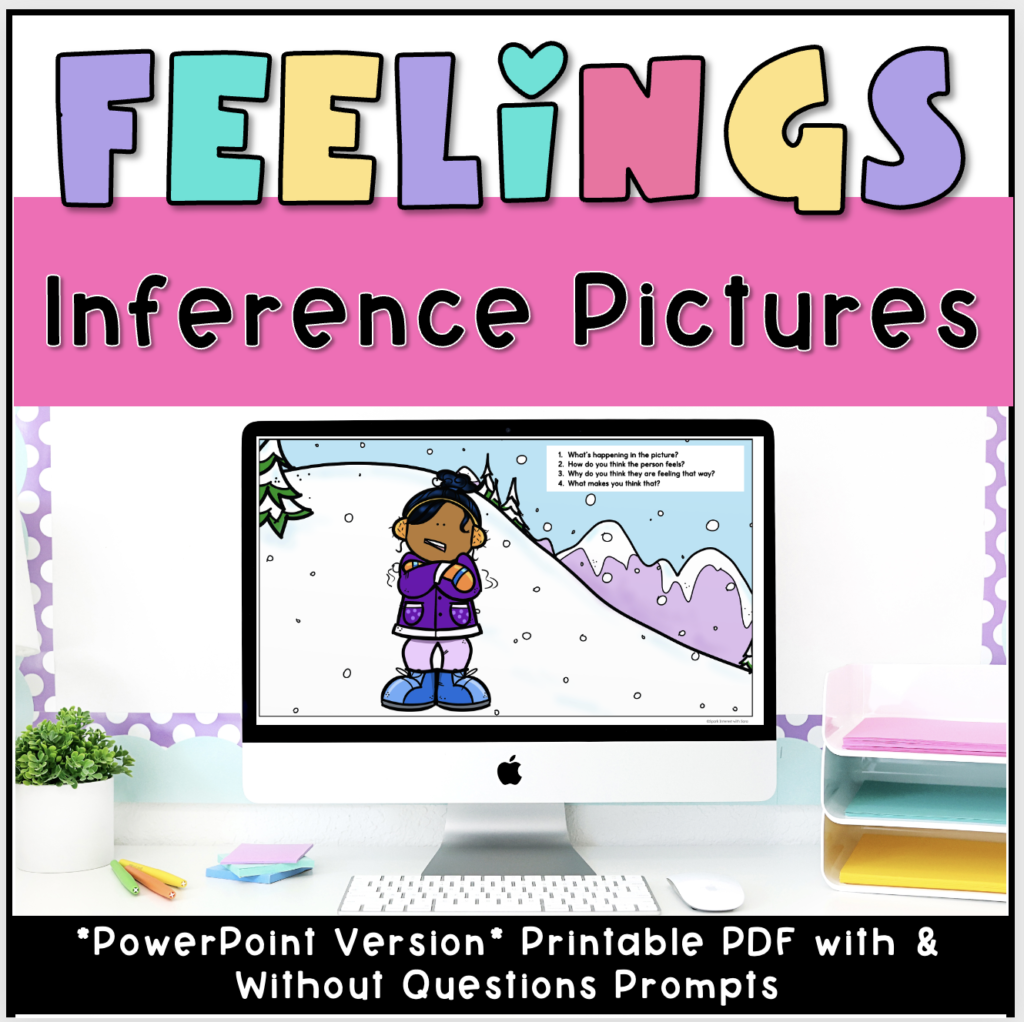
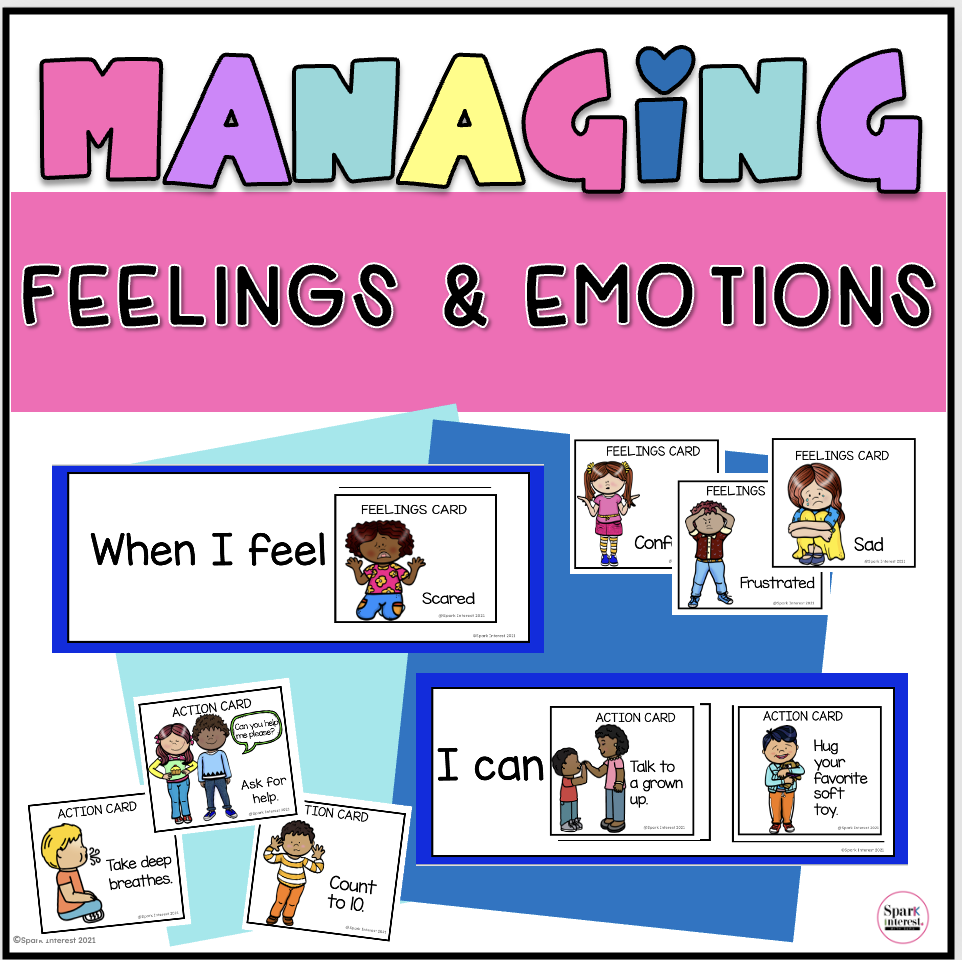
Before children can regulate emotions, they must learn to name them.
We have all had the moment where a child runs up crying and when we gently ask, ‘What happened?’, they sob, ‘I don’t know!’ That is a child who feels overwhelmed and does not yet have the language for what is happening inside their body.
Focus on teaching:
- Emotion vocabulary
- Body sensations linked to feelings
- That all emotions are okay
Use stories, visuals, mirrors, and real-life classroom moments to build emotional awareness.
- Model Self-Regulation Yourself (They Are Always Watching)
Likewise, children learn regulation by watching adults.
Narrate your own strategies:
- “I feel frustrated, so I am taking a deep breath.”
- “I need a moment to calm my body.”
This makes regulation visible and learnable.
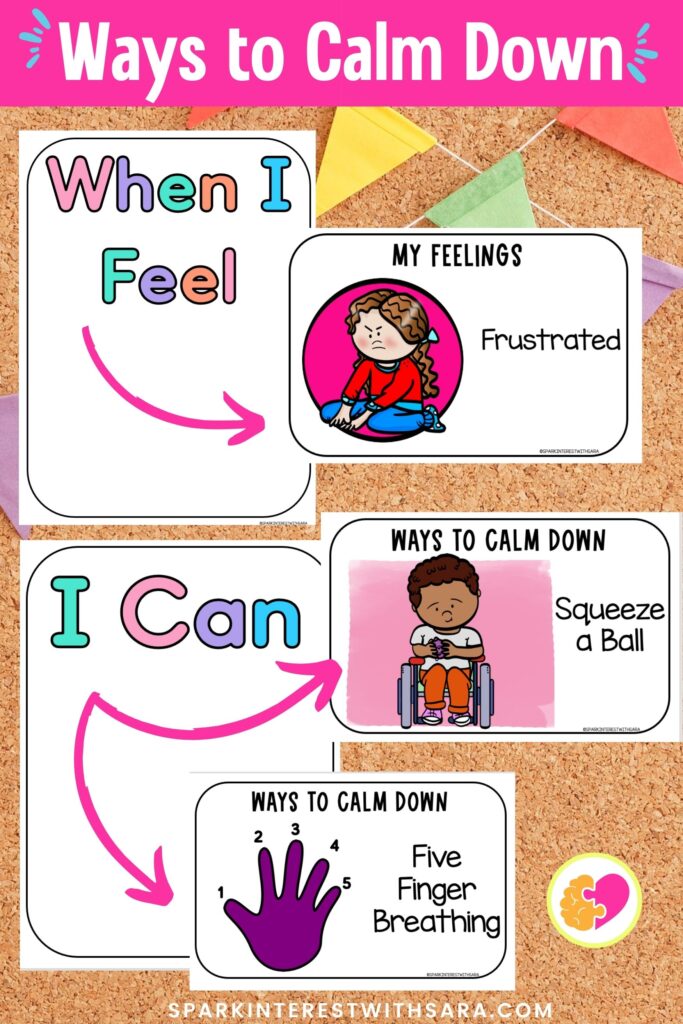
4.Teach and Practise Calming Strategies Daily (Not Just During Meltdowns)
For this reason, calming strategies should be practised when children are calm, not only during emotional moments.
Examples include:
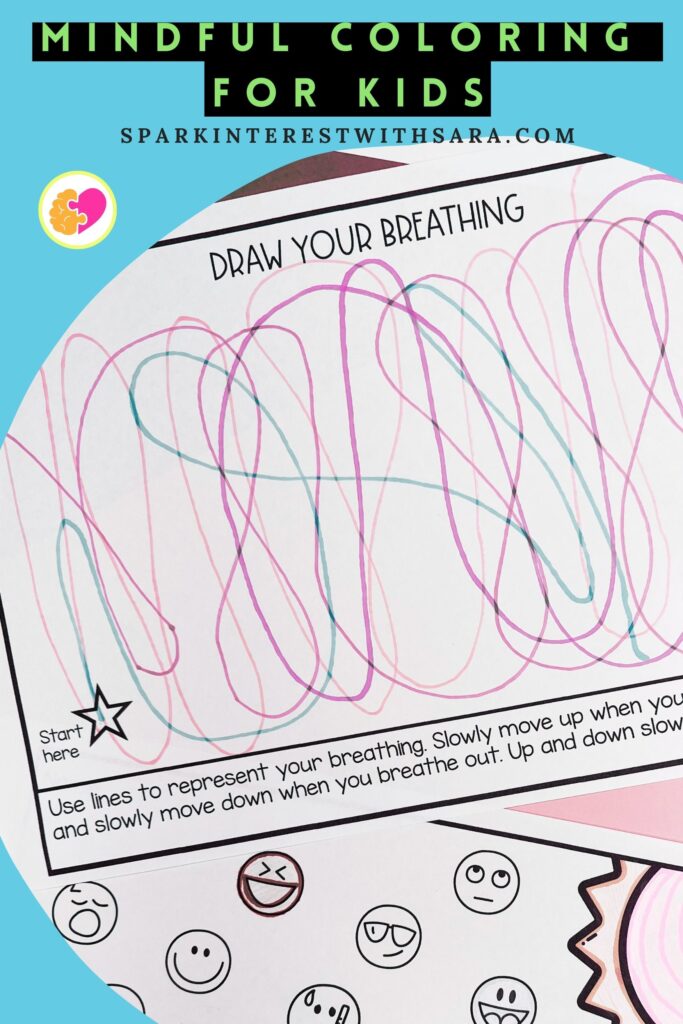
- Deep breathing
- Stretching or yoga
- Mindful movement
- Counting
- Grounding activities
Consistency builds confidence.
5. Create a Calm-Down Area That Feels Supportive, Not Punitive
In many classrooms, the calm-down area quickly becomes a favourite spot, not because children are sent there, but because they learn it is a safe place to reset. You may even notice children beginning to say, “I need a break,” and heading there on their own. That is self-regulation growing in real time.
A calm-down area should always be framed as a support, not a consequence. It is a space for regulation, not punishment, and it works best when children are taught how to use it before they really need it.
Include:
- Visuals of calming strategies
- Sensory tools like stress balls or timers
- Soft seating
- Calm-down strategy cards
Teach children how and when to use the space, so that they can access it in a productive way.
6. Use Visual Supports (Less Talking, More Independence)
Similarly, visuals reduce cognitive load and support independence.
Helpful visuals include:
- Routine schedules
- Emotion charts
- Step-by-step visuals for calming strategies
7. Support Smooth Transitions (Because Transitions Are Hard)
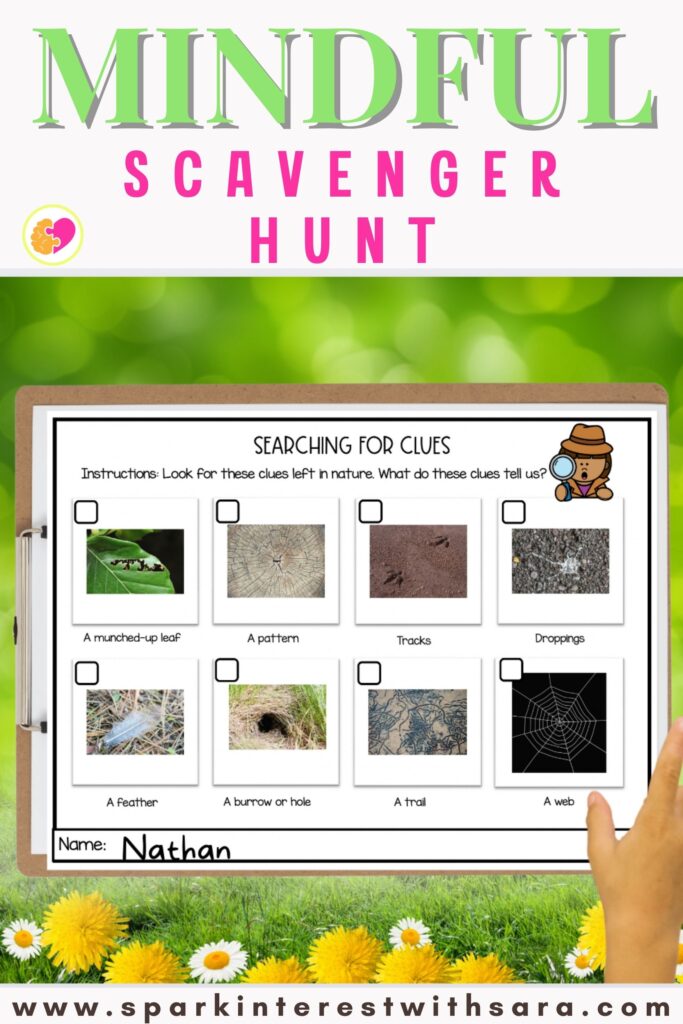
Not surprisingly, transitions are often the hardest moments for self-regulation.
Try:
- Transition warnings
- Songs or movement cues
- Visual countdowns
8. Break Tasks Into Smaller Steps (Overwhelm Is a Regulation Killer)
At times, large tasks can feel overwhelming.
Breaking activities into manageable steps supports focus and persistence.
9. Set Clear, Predictable Expectations (Consistency = Safety)
Ultimately, consistency helps children feel safe and regulated.
Use clear language and repeat expectations often.
10. Create Individual Goals When Needed (Celebrate the Small Wins)
Some children benefit from personalised goals.
Examples include:
- Using the calm-down area when upset
- Asking for help instead of yelling
- Staying seated during snack time
Work with the child, practise the skill, and celebrate progress.
Final Thoughts on Teaching Self-Regulation in Preschool Classrooms
Self-regulation is developed over time through intentional teaching, modelling, practice, and a whole lot of patience.
When we support preschoolers in building self-regulation skills, we are not just addressing behaviour. We are helping children understand themselves, connect with others, and build a strong foundation for lifelong learning.
Frequently Asked Questions About Self-Regulation in Preschool
What is self-regulation in preschool?
In preschool, self-regulation refers to a child’s ability to manage their emotions, behaviour, and impulses in age-appropriate ways. This includes calming their body when upset, waiting for a turn, following routines, and using words instead of physical behaviour.
Why is self-regulation important in early childhood?
Self-regulation is important because it supports learning, social skills, and emotional wellbeing. When preschoolers develop self-regulation skills, they are better able to focus, form friendships, and cope with everyday challenges in the classroom.
Is it normal for preschoolers to struggle with self-regulation?
Yes, it is completely normal. Self-regulation is still developing in the preschool years. Many behaviours that look challenging are actually signs that a child is learning and needs guidance, practice, and support.
How can teachers support self-regulation in the classroom?
Teachers can support self-regulation in preschool by modelling calm behaviour, teaching emotion vocabulary, using visual supports, providing calming strategies, and creating predictable routines that help children feel safe and supported.
How long does it take for preschoolers to develop self-regulation skills?
Self-regulation develops gradually over time. With consistent teaching, modelling, and practice, preschoolers strengthen these skills throughout the year and continue developing them well beyond early childhood.
There are a lot of amazing articles and websites about developing self-regulation skills. Here are some helpful reads:
16 Awesome Picture Books to Teach Self-Regulation in Early Childhood
How Can We Help Kids With Self-Regulation?
How to build a Strong Emotional Foundation by Teaching Feelings and emotions to Preschoolers
50 Beautiful Social Emotional Development in Early Childhood Books
Updated: 18th December 2025

